


.png)
Mobile app development is evolving faster than ever before. With new technologies emerging every year, businesses must stay ahead of the curve to build apps that are fast, scalable, secure, and user-friendly. In this article, we’ll explore the most important mobile app development trends, predictions, frameworks, and innovations shaping the future.
This guide will help developers, businesses, founders, and tech learners understand what to expect in the next decade and how to prepare for it.
The world has shifted from desktop-first to mobile-first—and now we’re steadily entering an AI-first future. In this era, mobile apps are not just digital convenience tools; they are becoming smart, predictive ecosystems designed to improve everyday life.
Today, more than 6.9 billion smartphone users exist globally, and this number continues to grow. With such massive usage, businesses must build innovative, lightning-fast, secure, and intelligent apps.
In this article, we explore the future of mobile app development, the predicted trends, and how this industry is transforming in 2026 and beyond.
To understand the future, let’s quickly reflect on how mobile apps have evolved:
Early Era (2008–2012)
Basic apps with simple UI and limited features.
Modern Era (2013–2018)
Introduction of cloud apps, real-time databases, mobile payments, and improved UX.
Smart App Era (2019–2023)
AI, ML, AR, advanced security, mobile wallets, 5G testing.
Intelligent Automation Era (2024–2025)
AI tools like ChatGPT, Gemini, and Copilot reshaped the development process.
Now, we are entering a new era where AI enhances every part of mobile experiences, personalisation becomes the norm, and users expect instant speed, zero friction, and deep intelligence.
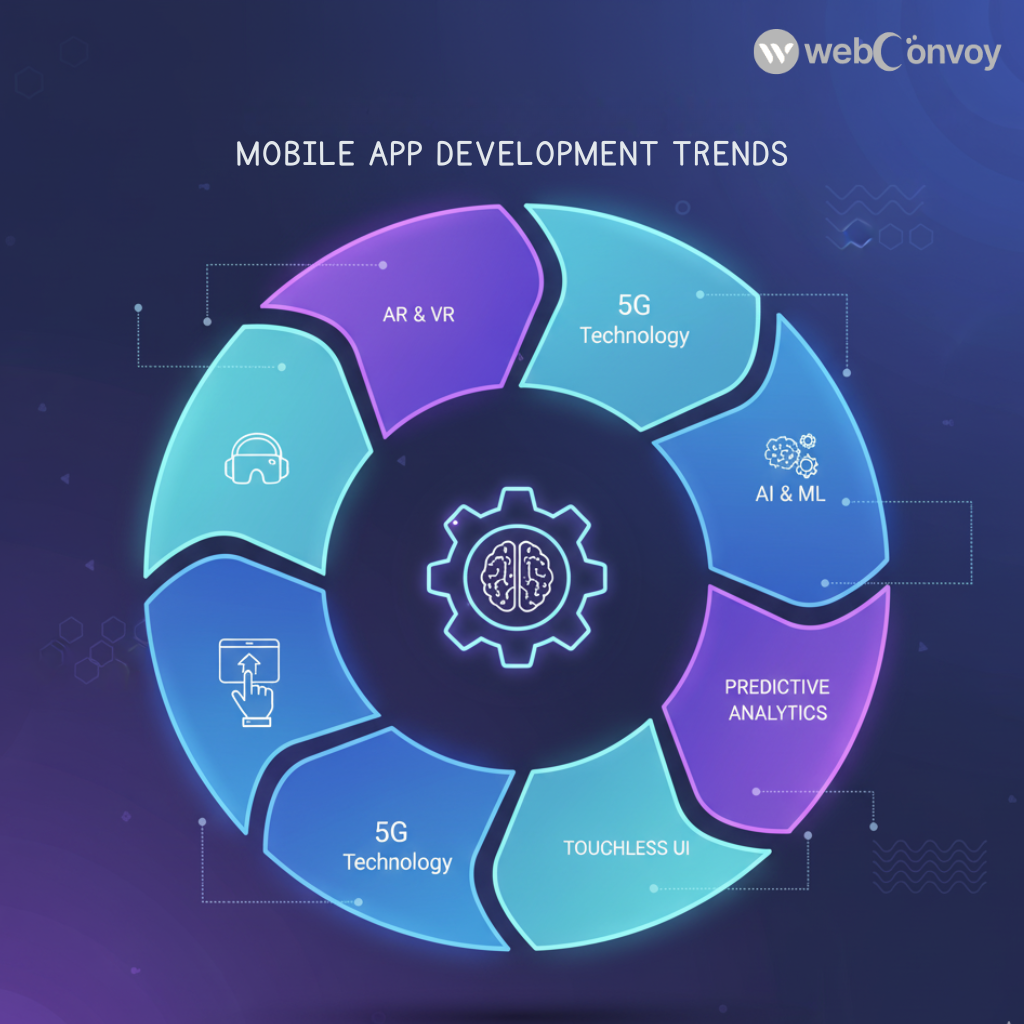
Artificial Intelligence is the biggest driver shaping the future of mobile app development.
Personalised recommendations (like Netflix, Amazon, Spotify)
Real-time content creation
Smarter chatbots & virtual assistants
Automated workflows
AI-powered search inside apps
Predictive analytics
Fraud detection and threat protection
GPT-based conversational models
Generative AI for images, videos & text
On-device ML models (push notifications, predictions, privacy-focused)
Recommendation engines
Natural Language Processing (NLP)
Businesses that fail to integrate AI will fall behind competitors rapidly.
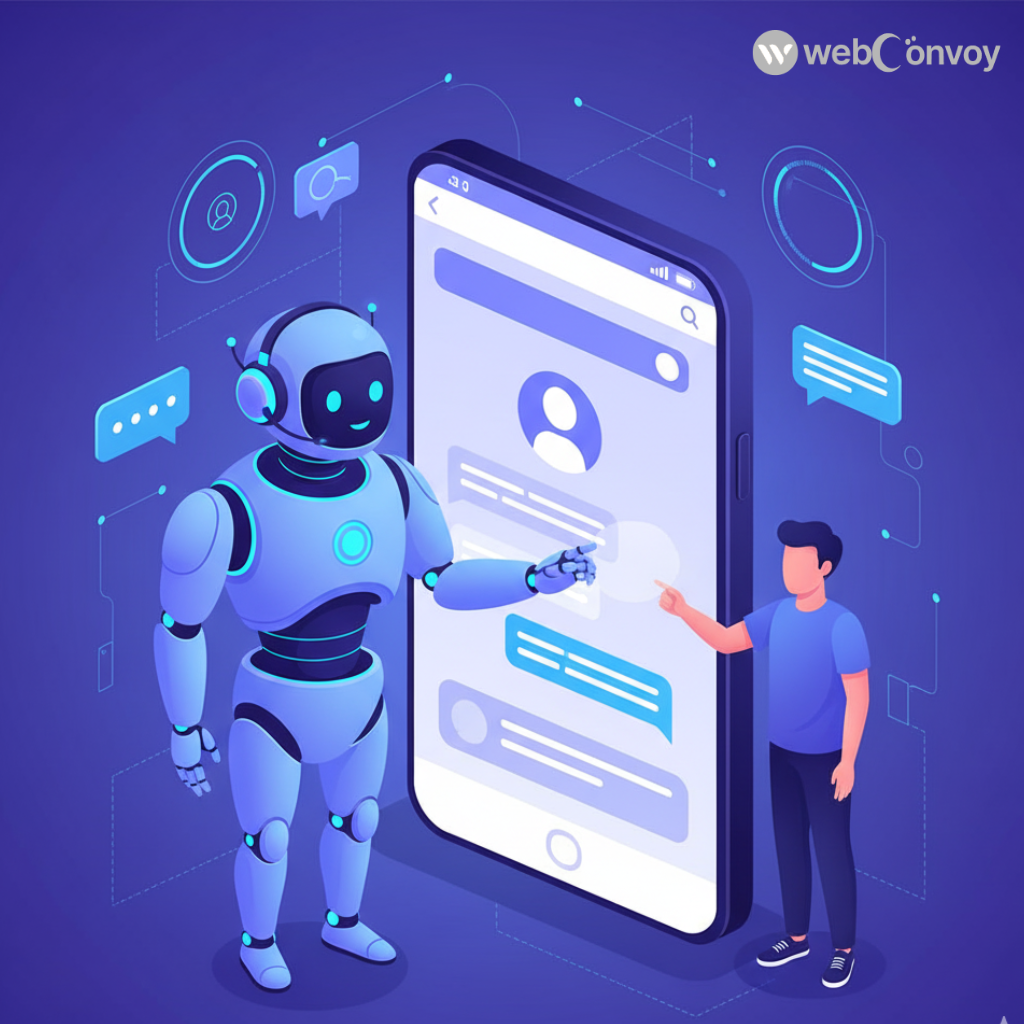
Cross-platform development frameworks are replacing native development because they are:
Cost-effective
Faster
Easier to maintain
Highly scalable
Flutter (fastest-growing)
React Native
Kotlin Multiplatform Mobile (KMM)
Ionic
Xamarin (declining slowly)
Single codebase
Near-native performance
Beautiful UI capability
Operates on mobile, web, desktop, and embedded devices
Strong Google support
Future apps will be built using cross-platform + AI development workflows.
5G is not just about faster internet.
It transforms apps in these ways:
Instant app loading
Ultra-low latency for gaming
Better real-time AR/VR performance
Faster video streaming (4K/8K)
Improved IoT device communication
Apps will become more immersive and responsive as 5G becomes globally mainstream.
The next era of mobile apps will be immersive.
Retail – virtual try-ons
Real estate – property visualisations
Education – virtual classrooms
Healthcare – 3D medical imaging
Gaming – even more immersive experiences
AR is expected to become a $250+ billion industry in the next few years.
Apps that integrate AR will have a major advantage.
Users want apps they can talk to—not just tap.
Voice UI will become a standard part of modern apps with:
Voice-based search
AI assistants
Command-based navigation
Voice-enabled transactions
Accessibility features
This future is strongly supported by:
Siri, Google Assistant, Alexa, ChatGPT, Gemini Nano, and on-device AI.
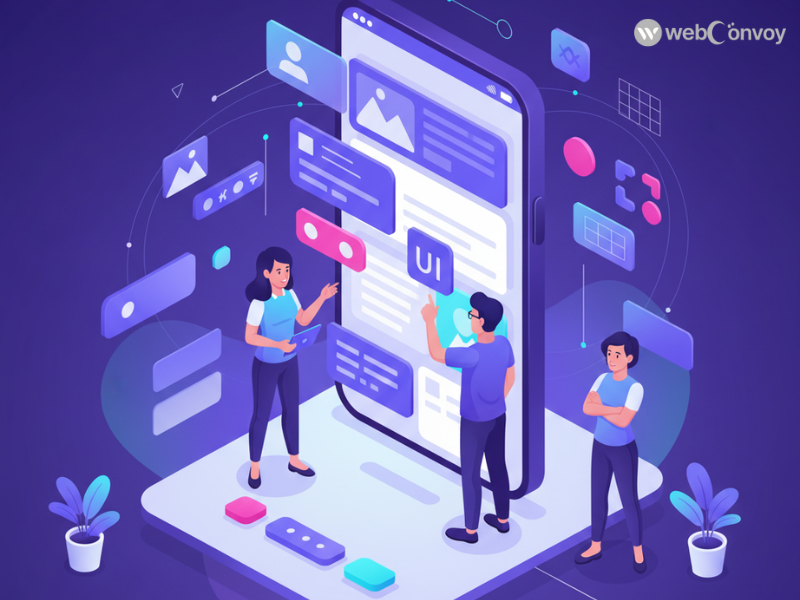
Blockchain will increase trust and transparency in:
Mobile payments
Supply chain apps
Healthcare apps
Banking & finance systems
Identity verification
Crypto wallets
Decentralised Mobile Apps (dApps) will grow rapidly in the coming years.
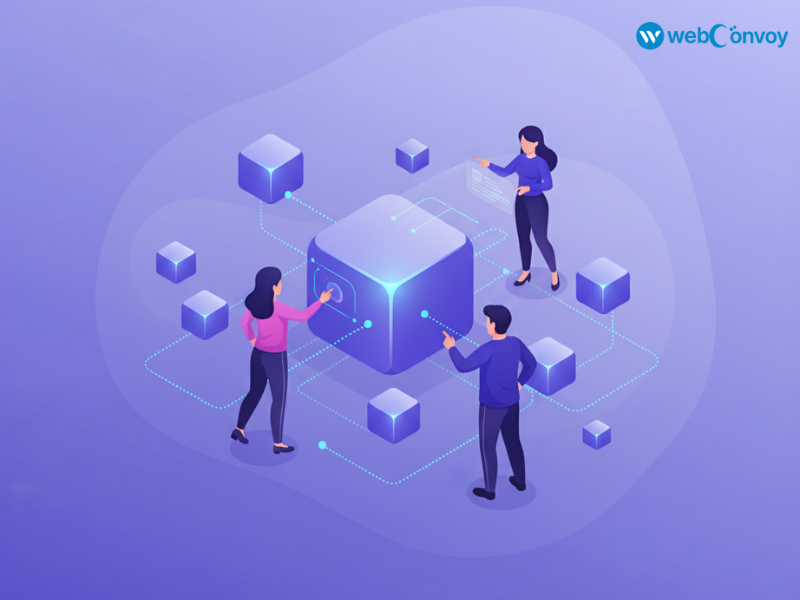
Progressive Web Apps (PWAs) are rising as a replacement for traditional apps.
Advantages:
No installation required
Loads instantly
Works offline
Low storage usage
Better SEO visibility
Cost-effective to develop
Brands like Twitter, Starbucks, Forbes, Flipkart, and Uber already use PWAs.
IoT apps will control:
Smart home devices
Smart vehicles
Wearable devices
Smart factories
Automation systems
With billions of IoT devices worldwide, IoT mobile app integration will grow massively.
Countries like China and India are pushing the rise of super apps.
Examples:
Tata Neu
Paytm
Grab
Gojek
Future apps may include:
Shopping
Payments
Food ordering
Travel booking
Healthcare
Social media
Utility services
All inside a single ecosystem.
On-device AI brings advantages:
Faster processing
Better privacy
Offline capabilities
Reduced server costs
Technologies like Google Gemini Nano and Apple Neural Engine will accelerate this trend.
Cloud integration lets apps:
Sync real-time data
Handle large traffic
Store huge files
Run heavy AI tasks
Scale globally
Tools that will dominate:
AWS Mobile
Firebase
Google Cloud
Azure App Services
Apps will understand user behaviour deeply using:
AI
Predictive analytics
Behavior tracking
Contextual suggestions
Examples:
Spotify recommendations, YouTube suggestions, Netflix predictions.
People expect apps to feel custom-made for them.
This movement helps:
Startups launch faster
Non-tech founders build apps
Developers reduce workload
Rapid MVP development
Platforms like:
Bubble
AppSheet
OutSystems
FlutterFlow
are becoming extremely popular.
As apps grow smarter, cyberattacks also increase.
Future apps must include:
Biometric authentication
Multi-factor login
End-to-end encryption
AI-based threat detection
Secure coding standards
Security is no longer optional—it is mandatory.
Developers must upgrade skills in:
Flutter, React Native, Kotlin
AI/ML integration
AR/VR technologies
Blockchain basics
Cloud computing
5G optimisation
UI/UX psychology
API development
Cybersecurity
Those who upskill now will stay ahead in the next decade.
The future of mobile app development is AI-driven, immersive, fast, secure, and connected. Trends like AI, AR/VR, cross-platform development, 5G, blockchain, IoT, super apps, and cloud computing will dominate the next decade. Businesses that adopt these technologies will thrive, while others will fall behind.
If you're a developer, entrepreneur, or tech learner—this is the perfect time to invest in future-ready skills and build apps that match what the world needs next.

Innovating, designing, and developing solutions that redefine how the digital world connects, learns, and grows.